
Product
Alumina Ceramic-Lined Pipes
A steel shell lined with high-purity alumina ceramic tiles or rings, bonded with high-strength adhesive and mechanically anchored.
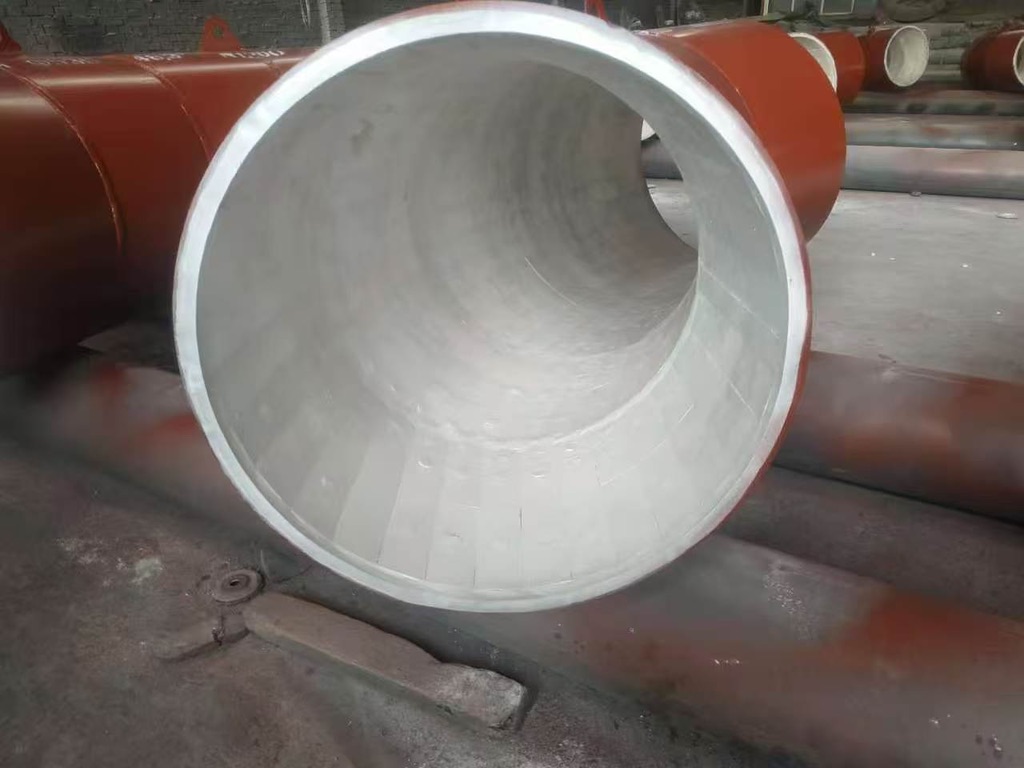
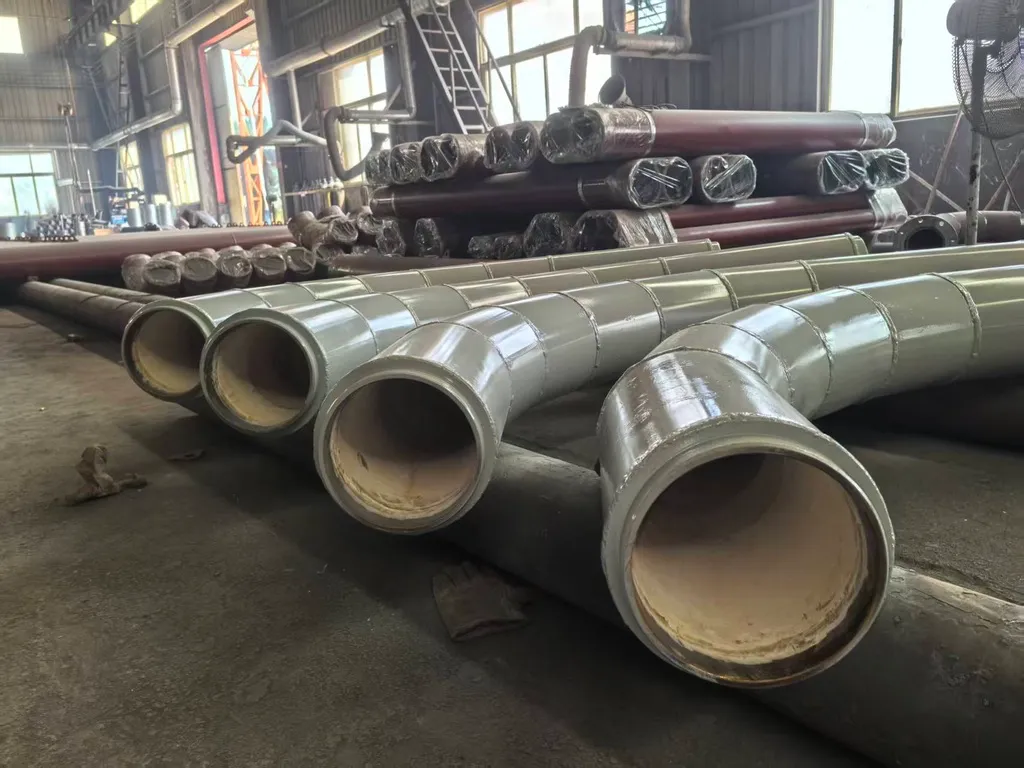
Overview
Alumina ceramic-lined pipes combine a steel outer shell with a wear layer of high-purity alumina ceramic. The ceramic is a sintered product with an Al₂O₃ content of at least 95%, and it is held in the shell by high-strength adhesive bonding together with mechanical anchoring.
The lining is supplied in two forms: ceramic tiles and ceramic rings. Both use the same alumina ceramic in the same steel shell, and the sections below describe each form separately. The lining thickness is typically 6–9 mm.
High-purity alumina ceramic
A sintered alumina ceramic with an Al₂O₃ content of at least 95%.
Bonded and mechanically anchored
High-strength adhesive bonding is combined with mechanical anchoring to hold the lining in the steel shell.
Impact resistance
The lining resists impact in service, but the ceramic is brittle, so direct point impact on the lining must be controlled.
Light and easy to maintain
A relatively light lining that is easy to install and maintain, with a long service life.
Structure & shapes
Ceramic tiles or ceramic rings are bonded to the steel shell with high-strength adhesive and additionally held in place by mechanical anchoring. The lining thickness is typically 6–9 mm.
Material: Sintered alumina ceramic (Al₂O₃ ≥ 95%) wear layer in a steel shell
Tile Lining
The wear layer is made up of alumina ceramic tiles, bonded to the steel shell with high-strength adhesive and mechanically anchored.
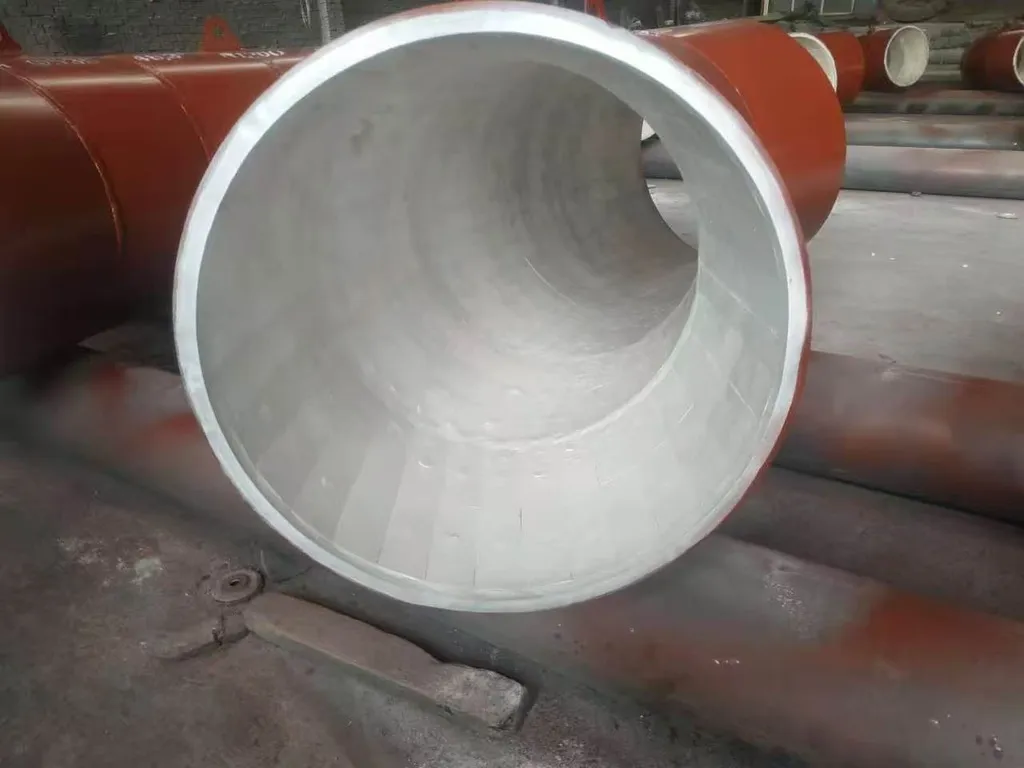
Ring Lining
The wear layer is made up of alumina ceramic rings, bonded to the steel shell with high-strength adhesive and mechanically anchored in the same way.
Specifications
| Specification | Value |
|---|---|
| Ceramic composition | Al₂O₃ ≥ 95% sintered ceramic |
| Ceramic hardness | HRA ≥ 80 |
| Operating temperature | −50 °C to 400 °C |
| Thermal stability | Good |
| Lining thickness | Typically 6–9 mm |
| Weight | Approx. 50% of bimetal elbows |
| Cost | Approx. 60–80% of bimetal elbows |
| Bonding | High-strength adhesive bonding with mechanical anchoring |
| Lining forms | Ceramic tiles, ceramic rings |
Working conditions
These are the duties this product is built for. Final selection depends on the measured conditions at your site — send them and our engineers will review the application rather than apply a single material rule.
- Severe abrasion at low impact; protect the lining from direct impact
- Fine solids and slurries, including ceramic slurry and mineral fines
- Where a relatively light lining that is easy to install and maintain is preferred
Applications
Mining & Mineral Processing
Mining and mineral processing convey highly abrasive slurries and solids — mineral slurries, tailings, concentrates and backfill. Wear concentrates where flow changes direction and where solids travel at speed, so pipe, elbow and tee selection must follow the actual operating conditions rather than a single material rule.
Cement, Ceramics & Building Materials
Cement, ceramics and building-material handling moves both dry powders and granules and wet media — cement, clinker, slag and limestone powder on one side, and gypsum slurry, ceramic slurry and ceramic mortar on the other. The two states wear pipework differently and must be evaluated separately.
Power & Coal
Power and coal handling moves both dry media — pulverized coal and fly ash — and wet media such as ash slurry and coal slurry. Dry and wet conveying impose different wear and corrosion conditions, so each stream is evaluated on its own terms.
Downloads
Request a quote for alumina ceramic-lined pipes
Tell us the medium, particle size, velocity, pressure and the dimensions you need — unknown values may be left open for our engineering review.
Drawings can be sent to info@wearresistantpipes.com.